
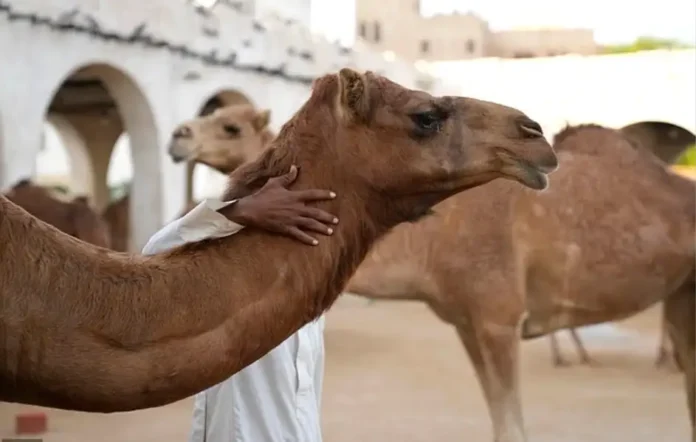
In the world of elite camel pageantry – where owners compete for prestige, breeding rights, and multimillion-dollar prizes – beauty standards are taken very seriously. But in February 2026, Oman’s Camel Beauty Show Festival (held in Al Musanaa, with ties to Muscat’s judging rings) hit a major controversy when 20 camels were disqualified after veterinary inspectors discovered they had undergone banned cosmetic procedures. The enhancements included Botox injections to relax facial muscles and soften expressions, dermal fillers and collagen to plump lips and noses, silicone wax to reshape or inflate humps, and hormone injections to boost muscle definition.
The disqualifications, enforced by the Camel Club and Oman Camel Racing Federation, went viral worldwide, with online users quickly dubbing the altered camels “Camel Kardashians” – a cheeky nickname that trended across platforms. The scandal reopened debates about how far breeders will go for victory in these high-stakes contests, where a single win can dramatically increase an animal’s breeding value and sale price.
How Camel Beauty Contests Work
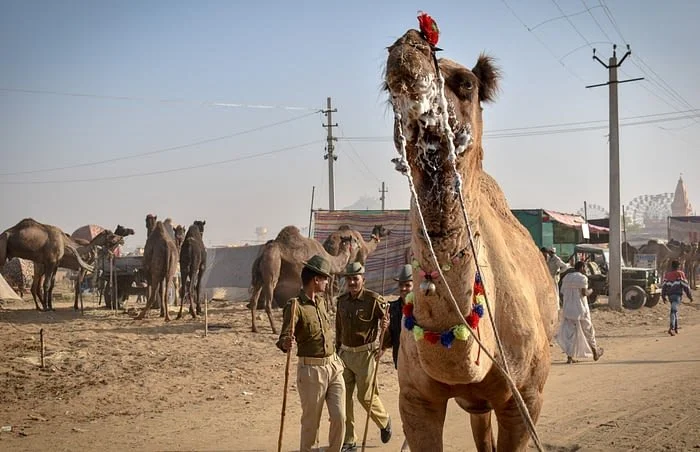
Camel beauty pageants are not quirky novelty events – they are deeply rooted in Arabian desert traditions, celebrating natural pedigree and form. Judges evaluate camels on four main criteria:
- Coat — glossy, healthy sheen.
- Neck — long, well-set, elegant curve.
- Head — large, symmetrical, with full lips, long lashes, and balanced features.
- Hump — firm, well-shaped, proportionate.
The emphasis is on natural appearance and genetic excellence. Any artificial alteration violates the rules, as it undermines breeding standards and turns cultural heritage into an artificial display. Veterinary teams conduct routine inspections using advanced screening to detect tampering – unnatural swelling, altered tissue, or chemical traces.
In this case, multiple camels showed clear signs of human intervention: plumper-than-natural lips from fillers, softened facial expressions from Botox, reshaped noses via silicone, artificially inflated humps, and hormone-induced muscle growth. Even one modification is grounds for immediate disqualification.
Organisers’ Stance: Protecting Integrity & Animal Welfare
Officials from the Camel Club and Oman Camel Racing Federation stressed that strict enforcement is non-negotiable. Quotes from reports:
- “Strict enforcement is essential to protect the integrity of the contests. Allowing cosmetic alteration would undermine breeding standards and turn cultural showcases into artificial displays.”
- “Penalties will remain firm.”
- “Camel beauty contests will reward natural form and lineage only. Any attempt to alter an animal’s appearance will be punished.”
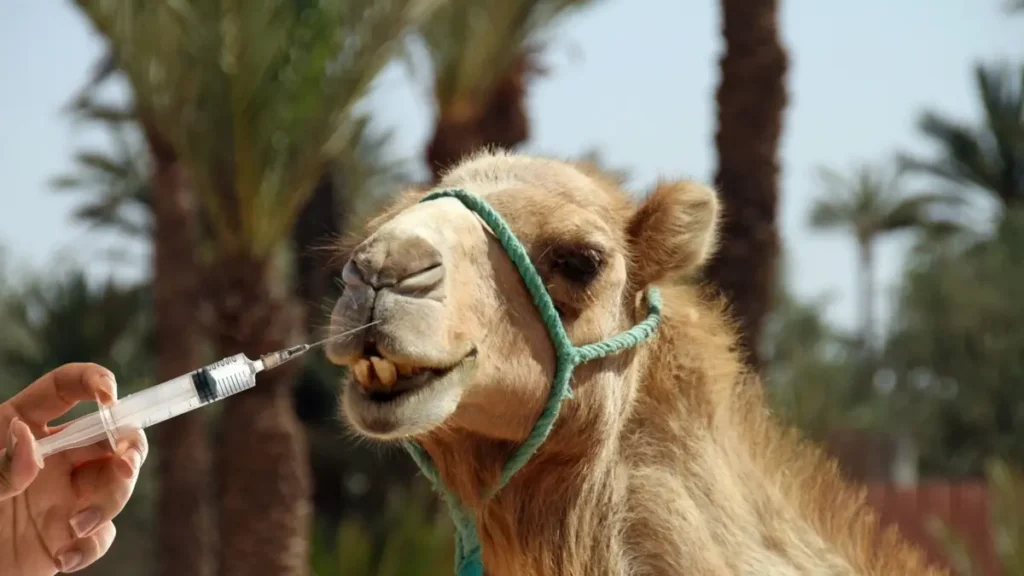
Veterinary experts warned of serious health risks: Botox can interfere with chewing/drinking, fillers/silicone may cause chronic inflammation or infection, and hormones disrupt natural development and fertility. The disqualifications were seen as a strong message to breeders: natural beauty is the only standard.
Viral Reactions: Humour, Shock & Debate
The story spread fast, with “Camel Kardashians” becoming the top meme. Online comments included:
- “Every day we keep hearing things we are not supposed to hear. Camel Kardashians.”
- “Please put the fillers down.”
- Memes comparing enhanced humps to celebrity procedures, or camels looking “the same age forever.”
- Laughing emojis and “Happy Plump Day!”
Some users questioned if the pursuit of beauty had gone too far, while others supported the disqualifications to protect animals and tradition. The scandal echoed earlier cases in Saudi Arabia (mass disqualifications in 2018 and 2021 for similar enhancements at the King Abdulaziz Camel Festival).
Background on Camel Beauty Festivals
These contests are serious business in the Arabian Peninsula – especially Saudi Arabia, the UAE, and Oman. Prize money can reach tens of millions of dollars at top events, with winning camels fetching huge breeding fees and sale prices. Pressure to stand out is intense, leading some owners to cheat. But organisers insist on preserving natural traits to maintain cultural and genetic value.
Oman’s 2026 disqualifications follow the pattern: advanced veterinary checks catch tampering early, and penalties are immediate.

