
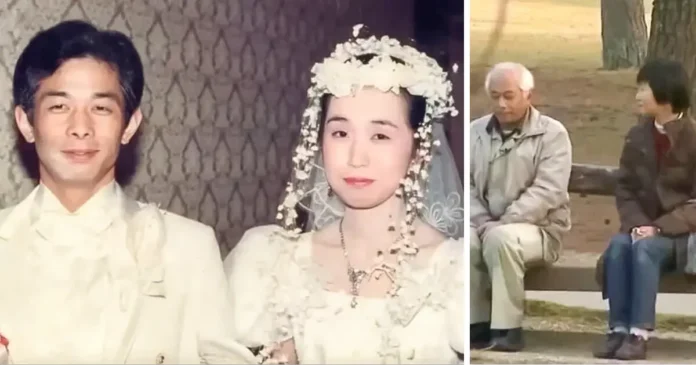
In the quiet suburbs of Nara, Japan, a marriage unfolded in whispers – or rather, none at all. For two decades, Otou Katayama and his wife Yumi shared a home, raised three children, and navigated life’s milestones without a single spoken word between them. No arguments, no apologies, just an eerie hush that baffled their kids and neighbors alike. If you’re searching for the viral Japanese couple silent 20 years story, this isn’t fiction – it’s a raw tale of neglect, jealousy, and eventual healing that has sparked global chats on love’s breaking points. Shared widely after a TV intervention, it reminds us: Sometimes, the loudest hurts are the silent ones.
The Unspoken Beginning: How Silence Crept In
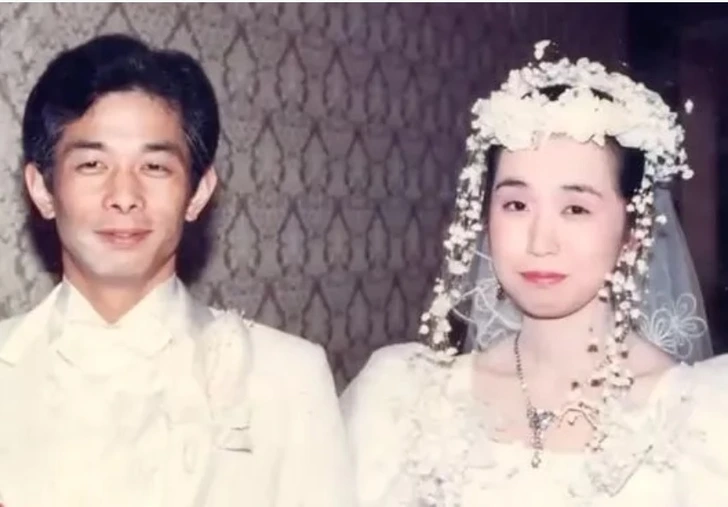
Otou and Yumi’s love story started like many – a spark in Nara’s serene parks, vows exchanged, and dreams of family bliss. But as kids arrived, cracks formed. Otou, a devoted but overlooked husband, felt sidelined by Yumi’s laser-focus on motherhood.
“He believed that he wasn’t receiving sufficient attention from his wife,” the couple later revealed, a sentiment that festered into full-blown jealousy. Not just toward Yumi, but their own children too – the little ones stealing her time and smiles.
What began as sulking evolved into a marital vow: silence. Otou stopped talking altogether, turning conversations into one-way streets. Yumi tried – oh, how she tried – initiating chats about dinner or school runs, only to meet walls of indifference. Their home became a stage for unspoken tension, where love lingered but words evaporated. In Japan, where harmony often trumps confrontation, this wasn’t unheard of; endurance in marriage is cultural glue, divorce rates low at around 35% compared to global averages. Yet, 20 years? That’s not harmony – that’s heartbreak frozen in time.

Daily Life in the Echo Chamber: Grunts, Nods, and Shared Routines
Imagine co-parenting in a library enforced by one partner’s grudge. Otou and Yumi’s Nara home hummed with activity – school lunches packed, birthdays celebrated – but minus dialogue. Their third child was even born during this void, a testament to intimacy persisting amid the chill.
Communication? Primitive and poignant. Otou relied on “grunts and nods to express approval or disapproval,” a Morse code of marital minimalism. A thumbs-up for Yumi’s curry; a shrug for weekend plans. Yumi, ever the bridge-builder, filled the gaps with monologues, hoping for cracks in his armor. The kids? They adapted, piecing together a family puzzle without parental chatter. “We couldn’t remember ever hearing a conversation between our parents,” their adult children confessed, a line that tugs at the soul.
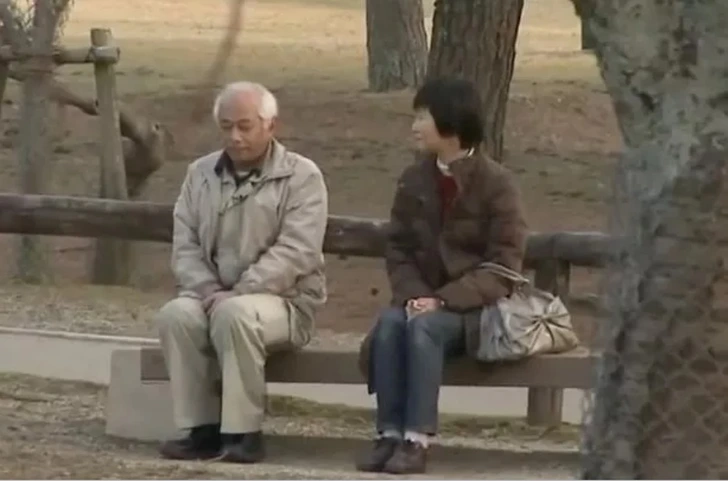
Emotions ran deep under the surface. Yumi endured with quiet grace, her efforts a silent plea for reconnection. Otou? His jealousy masked deeper insecurity, a grudge that isolated him as much as her. In Japanese culture, where “gaman” (patient endurance) is prized, such standoffs can stretch, but at what cost? Their story spotlights how unaddressed neglect turns homes into hollow shells.
The Breaking Point: Kids Call in the TV Cavalry
Fast-forward two decades: The children, now grown and reflective, hit a wall. How do you advise on love when your blueprint is blank? Desperate for answers – and perhaps a parental thaw – they reached out to TV Hokkaido, a show specializing in family reunions with a twist.
The setup? Poetic justice. Producers whisked Otou and Yumi to the very park of their first date, cherry blossoms framing the tension. Hidden cameras rolled as their kids watched from afar, hearts pounding. Yumi arrived hopeful; Otou, stoic as ever. Then, after 7,300 days of quiet, he spoke.
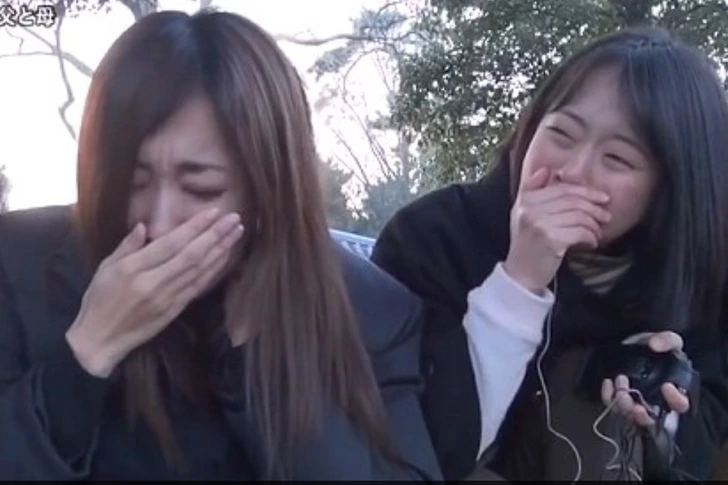
The words? A dam breaking. “I knew that my silence has hurt her and put her through hardship,” Otou admitted, voice cracking with regret. Gratitude followed: He thanked Yumi for her unyielding commitment, for raising their family through his frost. Tears flowed – hers from relief, his from release, the kids’ from witnessing words at last. The on-air embrace? Viral catharsis, a moment that healed what time had scarred.
Post-reunion, whispers of therapy and tentative talks emerged. No fairy-tale divorce or instant eloquence – just a fragile restart. As of 2025 updates, they’re communicating more, their story a beacon for stalled marriages worldwide.
Why This Japanese Marital Silence Story Resonates Globally
The Katayamas’ saga isn’t just tabloid fodder; it’s a mirror for modern love’s pitfalls. In an era of ghosting apps and therapy TikToks, their 20-year standoff underscores neglect’s slow poison. Searches for “husband stops talking to wife” spike with tales like this, blending shock with empathy. Culturally, Japan’s low-conflict ethos amplifies it – endurance over explosion – but the lesson? Universal: Silence isn’t golden; it’s a thief.
Fans online echo the feels: “Heartbreaking yet hopeful,” one commenter noted, while another pondered, “Jealousy of your own kids? That’s deep pain.” It sparks advice threads: Communicate early, seek mediators, remember partnership trumps parenthood solo.
For those in similar chills, experts (nod to relationship pods) suggest: Journal the hurt, involve neutral third parties, rebuild with micro-talks like “Pass the salt?” Small steps echo the Katayamas’ park pivot.
Echoes of Silence: A Love Letter to Breaking It
Otou and Yumi’s 20-year quiet isn’t a warning against marriage – it’s a rally cry for voices. From Nara’s parks to your living room, their story whispers: Words withheld wound deepest. In 2025’s connected chaos, let’s choose chatter over grudges.
Faced a silence that stretched too long? Or inspired by their thaw? Drop your thoughts below – what’s one word you’d say to mend a rift today?

