

Netflix’s Delhi Crime has long been a gut-wrenching mirror to the capital’s underbelly, blending raw investigations with unflinching truths. Season 3, dropping with Shefali Shah’s steely DIG Vartika Chaturvedi racing against a shadowy trafficking empire, hits harder than ever – inspired by the gut-wrenching 2012 Baby Falak case that exposed Delhi’s dark human trade. A two-year-old girl’s brutal injuries at AIIMS unraveled a nightmarish network, fueling the show’s six-episode sprint from child rescue to criminal reckoning. If you’re binging Delhi Crime Season 3 and wondering how much is ripped from reality, this isn’t fiction’s flourish – it’s a faithful echo of a tragedy that scarred a city, amplified by creator insights and Huma Qureshi’s chilling fictional Badi Didi. From the real Falak’s fight for life to the series’ systemic stabs, here’s the real-life case behind Delhi Crime Season 3 that’s making viewers demand justice all over again.
The Heartbreaking Spark: Baby Falak’s 2012 Arrival at AIIMS and the Unraveling Nightmare
It was January 2012 when a bloodied two-year-old named Baby Falak was dumped at Delhi’s AIIMS in the dead of night, her tiny body a canvas of unimaginable cruelty: Head injuries, bite marks, cigarette burns, and signs of sexual assault. Rushed in by a frantic 15-year-old girl named Rajani, the toddler’s case exploded into a media maelstrom, pulling back the curtain on a vicious child trafficking ring operating in the shadows of the capital.
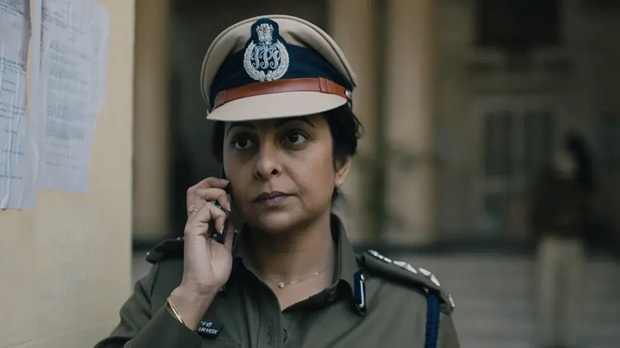
Falak, whose real name remains shrouded for privacy, wasn’t just a victim – she was the thread that tugged loose a web of exploitation. Rajani, a trafficked teen herself, confessed under interrogation: Falak had been “sold” multiple times, passed like property from Delhi’s underbelly to Ghaziabad’s grim edges. The probe snowballed: A 17-year-old boy named Satish Kalra emerged as a key suspect, accused of torturing Falak over a custody spat with his live-in partner. But the rot ran deeper – a syndicate snatching street kids, pimping minors, and pawning toddlers for profit.
Falak fought valiantly, clinging to life for weeks amid surgeries and sepsis scares. Tragically, on March 13, 2012, she succumbed – her death a damning indictment of a system that failed to shield the smallest. The case gripped India: Protests raged, politicians pledged, and the National Commission for Protection of Child Rights (NCPCR) launched probes. Satish and accomplices faced charges under POCSO and IPC sections for murder, rape, and trafficking – a trial that dragged but delivered convictions, spotlighting the scourge of 20,000+ missing kids annually in Delhi alone.
This wasn’t isolated horror – it mirrored the capital’s child trade crisis, where poverty paves paths to predators.
From Real Tragedy to Reel Tension: How Baby Falak Inspired Delhi Crime Season 3
Delhi Crime creator Richie Mehta didn’t shy from the shadows – Season 3 opens with a Falak-like bombshell: A battered toddler rushed to hospital, igniting Vartika Chaturvedi’s cross-state crusade from Assam back to Delhi’s dens. The six-episode arc mirrors the 2012 probe’s maze: From the child’s cryptic clues to a trafficking truckload of terrorized teens, it’s a pulse-pounding parallel to Falak’s fight.
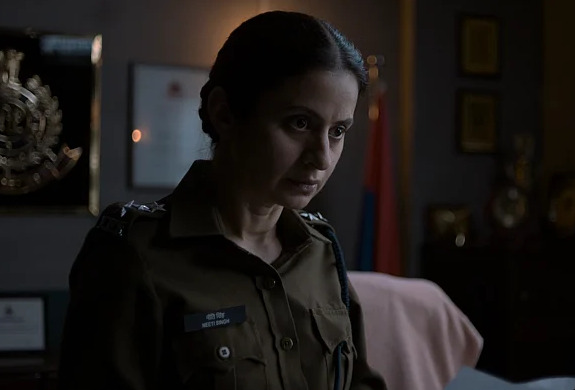
Mehta, drawing from exhaustive research (including cop chats and case files), wove Falak’s facts into fiction’s frame: The initial dump at AIIMS echoes the real rush; the network’s nexus nods to Ghaziabad’s grim grip. But the show amps the stakes – Vartika’s team reunites amid red tape, chasing a fictional kingpin duo that humanizes (without heroizing) the horror.
Producer Apoorva Lakhia Bakshi spills the creative calculus: “If the cops are dealing with their jobs and the system, the criminals are also grappling with their circumstances and the world they come from.” Enter Badi Didi (Huma Qureshi as the icy “Big Sister” Meena), a fictional force of calculated cruelty – not based on any one real rogue, but a composite of the syndicate’s shadowy souls. Her right-hand Vijay adds venomous volatility, their arc a parallel probe into perpetrators’ pain points.
Shefali Shah’s Vartika? The moral mast, her Assam posting a plot pivot that personalizes the pursuit. Episode beats beat the case’s cadence: Early episode shocks from the toddler’s trauma, mid-season mazes through transport nexuses, and a climactic crackdown that confronts the crime’s core.
The Fictional Fire: Huma Qureshi’s Badi Didi – A Villain Born from Victims

Delhi Crime Season 3‘s standout? Huma Qureshi’s Badi Didi, a towering terror who trades innocence for influence. Fictional to the core, she’s no Falak facsimile – but her scars (literal and loaded) symbolize the cycle: “Whether she was the oppressed or the oppressor, we don’t know,” Qureshi muses. The actress, stepping into her “worst character” yet, grilled creators on the grit: “I had so many questions about trafficking. How does it happen? What’s the nexus like? What are the modes of transport?”
Qureshi’s prep? Unlearning empathy for a role raw with rage: Dismissing desperation, her Badi Didi dismisses the disposable – a “part of the problem” in a system that spawns such shadows. “Jab system ka failure hota hai na, then Badi Didi jaise characters nikal kar aate hain… although she is a woman, she is very much part of the problem.” It’s Qureshi’s antagonist debut, a departure from damsels, delving into darkness without dazzle.
The show’s sleight? Blending Falak’s facts with fictional fury to forge a fiercer fight – no glorification, just grim gospel on a trade that claims 1,000 kids daily in India.
Broader Shadows: The Baby Falak Case’s Lasting Legacy and Cultural Cracks
Falak’s fall wasn’t futile – it fueled reforms. The 2012 uproar birthed the POCSO Act amendments (stricter trafficking clauses), NCPCR audits, and Operation Muskan (rescuing 3,000+ kids since). Yet, 2025 stats sting: 50,000 minors missing yearly, Delhi’s dens devouring the desperate.
Delhi Crime Season 3 doesn’t just dramatize – it demands dialogue, standing “at the crossroads of crime and society.” Bakshi’s blueprint? Ground the grisly in grace: “We don’t know if she was the oppressed or the oppressor” – a nod to cycles that snare survivors into savagery.
As viewers viscerally vibe with Vartika’s valor, Falak’s flame flickers forward – a call to crack the chains.
Binged Delhi Crime Season 3? How real felt the reel? Or got a trafficking tale that tugged? Share in comments – let’s light a line from fiction to fight.

