
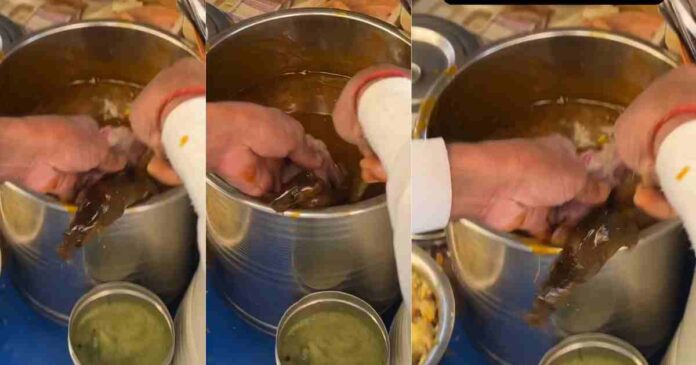
A deeply disturbing incident from Amritsar has reignited intense debates about street food safety standards across India after a viral video captured a live rat emerging from a pani puri mixture container at a busy roadside vendor. The stomach-churning footage, which has now been viewed by millions on social media platforms, shows the exact moment when what should have been a delicious snack turned into a public health nightmare.
The alarming incident was documented by an Instagram content creator known as karan_dhanju26, who was enjoying golgappas with a friend when he noticed something unusual. What began as a casual evening snack quickly transformed into a viral sensation that has food lovers across the country questioning the safety of their favourite street treats.
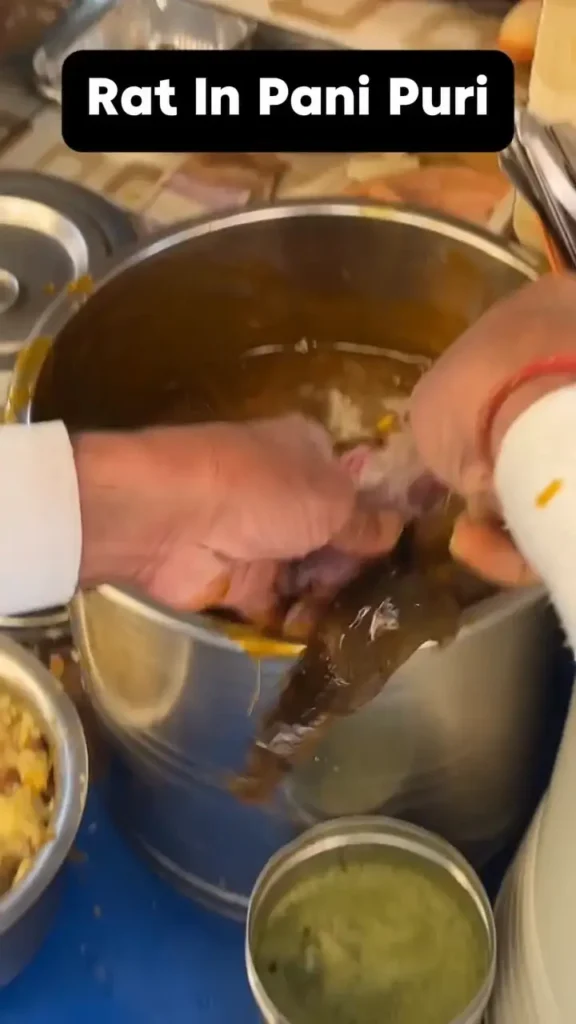
The video’s reach has been nothing short of explosive. The footage has garnered over 45.1 million views, 400,000 likes, and more than 15,000 comments, making it one of the most-discussed food safety incidents in recent months. But beyond the shock value, this incident raises critical questions about hygiene enforcement, vendor accountability, and consumer protection in India’s sprawling street food ecosystem.
What Exactly Happened? A Frame-by-Frame Account
The content creator and his companion had stopped at the roadside stall and were midway through their snack when they noticed strange movement in the large bowl containing spiced water and masala. At first glance, it seemed like nothing more than bubbles or perhaps a reflection in the liquid.
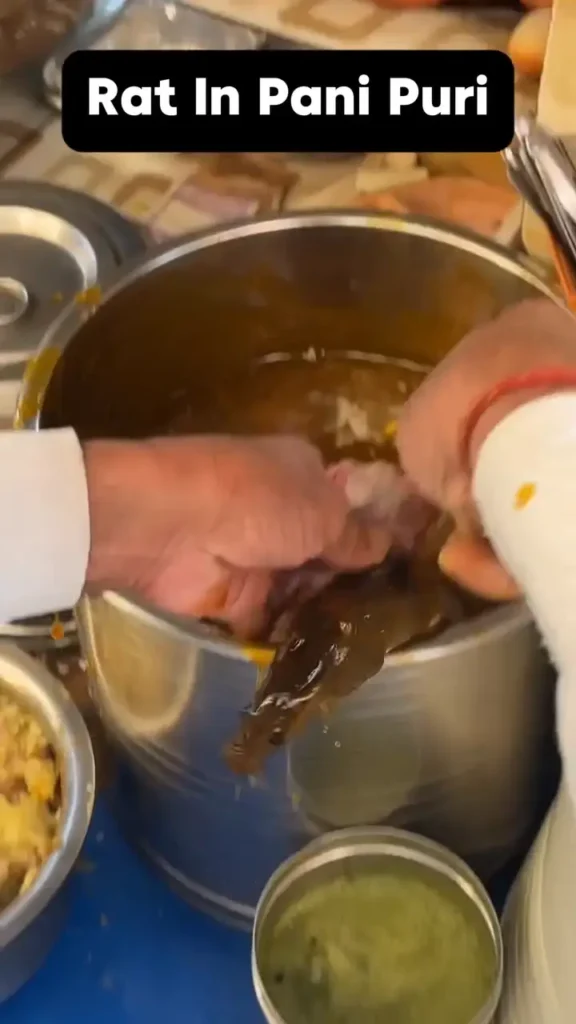
However, upon closer inspection, the horrifying truth became clear – there was something alive swimming in the mixture that would soon be served to dozens of hungry customers.
The video clearly captures the vendor’s frantic attempts to remove the rat from the mixture, with the rodent completely coated in masala before eventually leaping out of the container and escaping into a nearby drain. The entire sequence, which lasts only seconds, has been replayed millions of times by shocked viewers who can barely believe what they’re seeing.
The clip shows the rat scrambling desperately inside the container as the vendor struggles to extract it, with the animal finally managing to free itself and scurrying away to safety. The customers standing nearby were left absolutely speechless, their appetites thoroughly destroyed.
Content Creator’s Response: “Throw It All Away”
The person recording the video immediately demanded that the vendor discard the entire contaminated mixture, showing responsible civic awareness despite the shocking nature of what he had just witnessed.
According to the vlogger’s account, he insisted that the vendor throw away the contaminated contents right away, and the vendor reportedly complied without argument. This quick action potentially prevented dozens of other customers from consuming the tainted food mixture.
The content creator posted the video with the caption “Rat in PaniPuri” and confirmed that the vendor disposed of the mixture immediately upon request. This documentation serves as crucial evidence of not just the contamination incident itself, but also of how such situations should be handled when discovered.
Social Media Erupts: Millions React with Disgust and Disbelief
The online response has been nothing short of explosive, with reactions ranging from genuine horror to dark humour to sceptical analysis.
The footage has accumulated hundreds of thousands of views and prompted intense reactions, with users expressing disgust while questioning hygiene standards, though some have speculated the clip might be staged or AI-generated.
Common Reactions Include:
- Outrage and Disgust: Thousands of users have sworn off street food entirely after watching the video
- Health Concerns: Medical professionals in comment sections warning about diseases transmitted by rodents
- Skepticism: Some viewers questioning authenticity, suggesting it could be digitally manipulated
- Humor: Dark jokes comparing the situation to the animated film “Ratatouille”
- Calls for Action: Demands for stricter government inspections and vendor licensing
Many viewers have raised serious questions about hygiene standards maintained at roadside food stalls across the country, with some sharing their own horror stories from similar experiences.
Is the Video Real or AI-Generated? The Authenticity Debate
Several users have speculated that the video might be staged or even AI-generated, with some pointing out that the cart appeared otherwise clean, suggesting the rodent may have entered the bowl shortly before being noticed.
This skepticism reflects a growing trend where viral content is automatically questioned in the age of sophisticated video editing and artificial intelligence tools. However, most food safety experts reviewing the footage believe it to be authentic based on several factors:
- Natural Movement Patterns: The rat’s movements appear consistent with real rodent behavior
- Vendor Reaction: The street vendor’s panic seems genuine and unrehearsed
- Video Quality: The footage shows typical smartphone recording characteristics
- Context Clues: Environmental details match authentic Amritsar street food settings
Some viewers noted the rest of the setup looked relatively clean, prompting questions about how the contamination occurred.
How Long Was the Rat Actually Inside? Timeline Questions
One of the most disturbing aspects of this incident remains unclear: the video does not clarify whether the animal had fallen into the container moments earlier or had been present for an extended period.
It remains uncertain whether the rat had been inside the container for a long time or had just jumped in moments before being spotted. This distinction matters enormously from a public health perspective.
Two Scenarios:
- Recent Entry: If the rat jumped in seconds before discovery, contamination may have been minimal
- Extended Presence: If the animal had been swimming in the mixture for minutes or hours, dozens of customers may have already consumed contaminated food
One user offered a possible defence, questioning how the rat could have survived that long in the mixture, suggesting it was likely a very recent intrusion.
The Serious Health Risks: What Rat Contamination Really Means
This isn’t just about disgust – there are genuine medical dangers associated with rodent contamination of food products.
Experts have emphasised that rats can carry dangerous bacteria like Salmonella and Leptospira, which can easily contaminate food and cause serious illnesses, including food poisoning, gastroenteritis, and other infections, with contamination risk increasing significantly when rodents have direct access to prepared food.
Potential Diseases from Rat Contamination:
- Leptospirosis: Transmitted through rat urine
- Salmonellosis: Severe food poisoning
- Rat-bite fever: Even without direct bites, through contaminated surfaces
- Hantavirus: Serious respiratory illness
- Plague: Though rare, still possible in certain conditions
- Gastroenteritis: Severe stomach infections
The danger is particularly acute with liquid mixtures like pani puri water, where pathogens can spread rapidly throughout the entire batch.
Street Food Hygiene in India: A Systemic Problem
This incident isn’t isolated. Similar cases have surfaced in recent months, prompting action from local authorities in some cities.
The incident highlights the ongoing hygiene challenges faced by open street food setups, where roadside vendors often struggle to maintain strict food safety standards, particularly in crowded and humid urban environments, facing issues from dust and flies to rodents.
Common Street Food Hygiene Issues:
- Uncovered containers attract flies and pests
- Inadequate waste disposal creates rodent habitats
- Contaminated water sources uare sed for preparation
- Lack of handwashing facilities for vendors
- Storage without refrigeration promotes bacterial growth
- Proximity to open drains invites pest infestations
Food safety experts emphasise the importance of covered containers, proper waste disposal, and regular inspections to prevent contamination.
What Do Food Safety Regulations Actually Say?
While food safety regulations exist under municipal and state health authorities, enforcement often depends on routine inspections and compliance by vendors.
The Food Safety and Standards Authority of India (FSSAI) has established clear guidelines for street food vendors, including:
- Mandatory registration for all food vendors
- Regular health inspections
- Proper storage requirements
- Clean water usage certification
- Personal hygiene standards for handlers
- Covered food preparation and storage
However, implementation remains patchy across different cities and states, with enforcement varying dramatically based on local resources and political will.
Calls for Government Action Intensify
Many citizens are urging local civic bodies to increase inspections and implement strict penalties for violations, with some suggesting training programmes for street food vendors in food safety, storage, and hygiene practices to protect consumers.
Public demands following this viral incident include:
- Surprise Inspections: Random checks instead of scheduled visits
- Visible Hygiene Ratings: Display systems similar to restaurant grading
- Vendor Training Programs: Free education on food safety standards
- Stricter Penalties: Heavy fines or license revocation for serious violations
- Consumer Awareness: Public campaigns about street food safety
Should You Stop Eating Street Food? Expert Perspective
While golgappa remains a beloved snack across India, such incidents serve as a reminder that food safety cannot be compromised – even for a favorite street-side treat.
Food safety experts suggest consumers take these precautions:
✅ Choose vendors with visible hygiene practices
✅ Look for covered food containers
✅ Observe the vendor’s hand hygiene
✅ Check for FSSAI registration certificates
✅ Avoid stalls near open drains or garbage
✅ Trust your instincts – if something looks off, walk away
The Cultural Significance of Golgappa and Public Trust
Golgappa isn’t just street food – it’s a perfect blend of spicy, tangy, sweet, and crunchy elements that create a popular Indian snack bursting with flavour in a single crisp.
For millions of Indians, pani puri represents more than just food – it’s a cultural experience, a childhood memory, an affordable luxury, and a social bonding ritual. Incidents like this threaten not just public health but also the social fabric woven around these beloved street treats.
The emotional response to this video reflects this deep connection. People aren’t just worried about hygiene – they’re mourning a loss of trust in something that brings them joy.
What Happens Next? Possible Outcomes
Following viral incidents like this, several scenarios typically unfold:
- Local Authority Response: Municipal inspections in the area
- Media Coverage: Pressure on officials to demonstrate action
- Temporary Improvements: Short-term compliance increases
- Public Memory Fades: Attention moves to the next viral incident
- Systemic Issues Remain: Without sustained pressure, problems persist
The real question is whether this incident will catalyse meaningful, long-term reform or simply become another viral moment that fades from public consciousness.

