
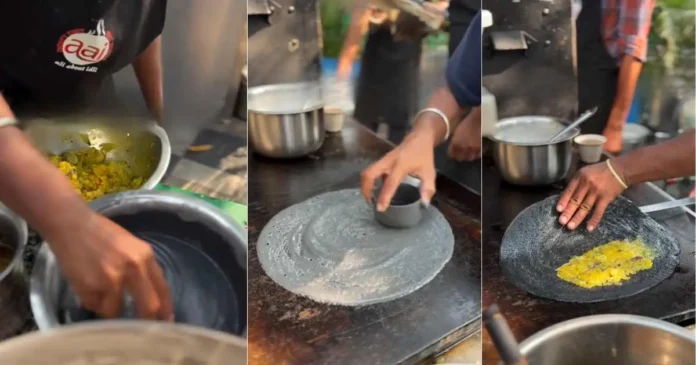
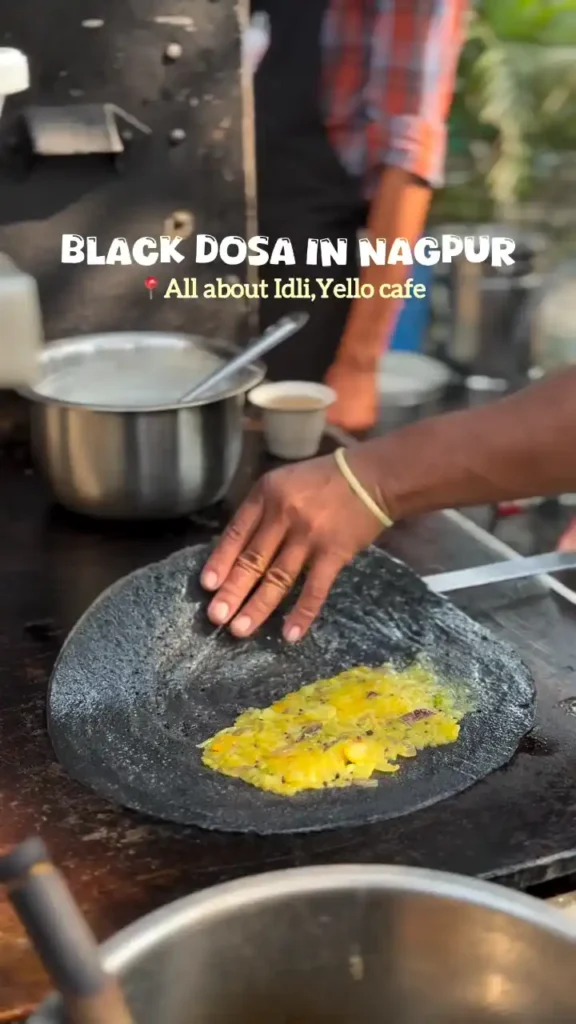
A striking new food trend has emerged from Nagpur, Maharashtra, where several cafes are now serving jet-black dosas that have left the internet both fascinated and slightly puzzled. The viral videos, first shared in mid-March 2026, show chefs flipping large, perfectly crisp, pitch-black dosas on hot tawa – looking more like charcoal discs than the classic golden South Indian crepe.
The black colour comes from natural (and sometimes activated charcoal-based) ingredients added to the batter, creating a visually dramatic dish that stands out in photos and reels. While some call it an innovative twist, others question if it’s just a gimmick for social media attention or if it actually tastes good.
What Makes the Black Dosa Black?
Cafes experimenting with the trend have revealed the secret behind the striking colour:
- Activated charcoal powder (food-grade) – the most common ingredient, giving the deep black hue without a strong flavour.
- Black rice batter or black sesame – used in some premium versions for natural colour and nutty taste.
- Squid ink – rare but seen in a few upscale places for authentic black tone and subtle seafood note.
- Food-grade black food colouring – in cheaper versions (though many claim to avoid artificial dyes).
The result is a crispy, visually stunning dosa served with traditional chutneys, sambar, and sometimes black-coloured accompaniments (like black pepper chutney or squid ink mayo) to match the theme.
Viral Videos & Netizen Reactions

The videos typically show:
- Chef pouring thick black batter on the tawa.
- Flipping the massive dosa with ease (some are 2–3 feet in diameter).
- Close-ups of the crisp texture and deep black colour.
- Customers taking first bites – reactions range from “wow, tastes normal!” to “tastes like charcoal” to “actually pretty good with spicy chutney.”
Internet reactions have been a mix of awe, curiosity, humour, and scepticism:
- Positive takes: “This looks so cool! Need to try black dosa in Nagpur.”Aesthetic + taste? Win-win if it’s good.“Finally, something new in the dosa world.”
- Humorous roasts: “Dosa after watching too many Marvel movies 😂””When the dosa decides to go goth phase.”Is this a dosa or a solar panel?”
- Sceptical voices: “Activated charcoal in food? Good for detox or just a marketing gimmick?”Tastes the same as regular dosa but looks burnt – no thanks.”Nagpur cafes are trying too hard for reels.”
Some food bloggers and YouTubers have already visited Nagpur to review the black dosa, with mixed verdicts: most say it tastes almost identical to regular dosa (the charcoal is tasteless), but the visual appeal makes it highly Instagrammable.
Health Angle: Is Black Dosa Safe?
Food-grade activated charcoal is generally recognised as safe in small amounts (used in detox drinks, black burgers, ice creams, etc.). However, experts caution:
- Excessive consumption can interfere with nutrient/medication absorption.
- Not recommended daily or in large quantities.
- Cafes using natural black rice/sesame are safer than pure charcoal versions.
Most Nagpur cafes using the trend claim they use only food-safe, tested ingredients.
Why Nagpur? The City’s Food Scene
Nagpur, already famous for its orange-based dishes, tarri poha, saozi, and street food culture, has been embracing quirky innovations to stand out. The black dosa trend seems to be part of that – cafes competing for social media attention in a city where food reels drive footfall.

