
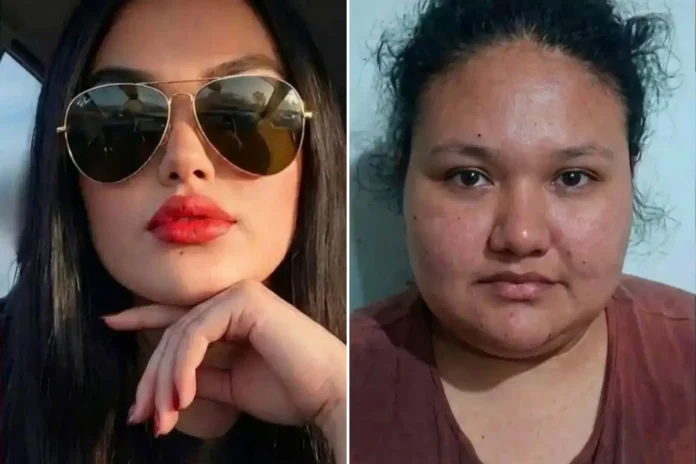
A missing woman’s case has taken a troubling turn after her heavily filtered and edited social media photos made it extremely difficult for the public and police to identify her, leading to widespread trolling and criticism online. The incident has sparked a heated debate about the impact of social media filters on real-life situations, especially during emergencies.
The woman, who went missing in recent days, had her most recent profile pictures — which featured heavy filters, beauty enhancements, and significant editing — widely circulated by authorities in their public appeals. While the intention was to seek help from the public, the unrealistic images reportedly hindered recognition efforts, frustrating both investigators and netizens.
The Viral Backlash

As the police appeal spread across social media, many users began pointing out the stark difference between the filtered photos and what the woman likely looked like in reality. Comments ranged from concern to harsh trolling:
- “How are we supposed to recognise her when every photo is heavily filtered?”
- “This is why filters are dangerous — even in missing persons cases.”
- “She’s beautiful naturally, but the filters made it impossible to help.”
Some users went further, accusing her of “catfishing” the public with unrealistic images, while others defended her, saying it’s common practice and she shouldn’t be blamed during such a serious situation.
The trolling became so intense that several social media platforms had to moderate comments on the appeal posts. The case has now highlighted a growing concern: how curated online personas can create real-world complications.
Police & Family Appeal
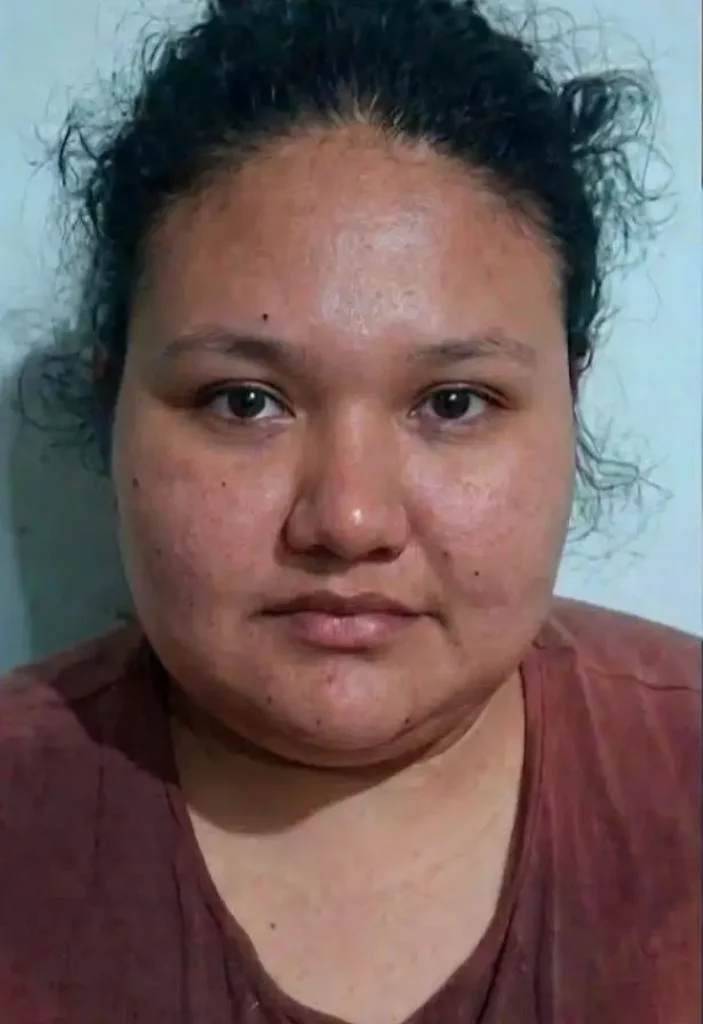
Authorities have urged the public to focus on any distinctive features rather than relying solely on the filtered images. The woman’s family also appealed for information, requesting people to share any sightings regardless of how she appears in photos.
As of the latest updates, the search is still ongoing, with hopes that the increased attention will help locate her safely.
Broader Implications: Filters vs Reality
This incident has reignited conversations about the widespread use of beauty filters and photo editing apps. While they are popular for enhancing selfies, cases like this show the potential downside when real-life identification becomes necessary.
Experts suggest that in the age of social media, people should maintain at least a few unfiltered, natural photos for emergencies. Law enforcement agencies are also considering guidelines for using social media images in missing persons appeals.
Public Reaction & Debate
The story has divided opinions:
- Many criticised the woman for “living in a filtered fantasy.”
- Others argued she deserves privacy and empathy, especially while missing.
- Several called for more responsible social media usage and awareness about digital footprints.
The case serves as a cautionary tale about balancing online presentation with real-world practicality.
This unfortunate situation underscores the importance of authenticity in the digital age. Our thoughts are with the woman and her family — hoping for her safe return soon. What’s your take on the use of filters in such serious cases? Share in the comments below. 🙏

